Finding the Right TMS for an International Shipper
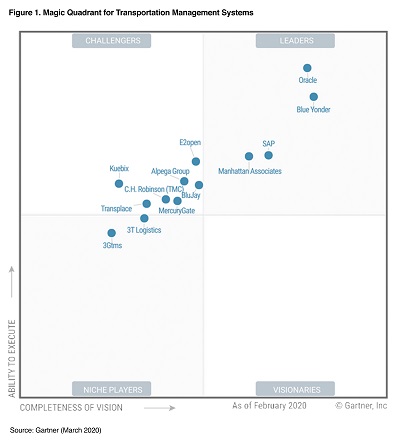
August 3, 2020 By: Senior Management | Topics: 3PL, IT Solutions, Transportation Management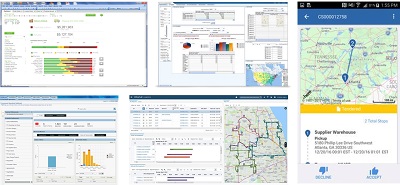 If you are a shipper or 3PL that has high international shipment volume and at least $8M in freight spend, you could capture 5-15% of freight savings through an implementation of a Transportation Management System (TMS). When selecting a TMS, it is paramount to partner with one that best fits your needs to realize that ROI. Organizations with a low domestic freight spend but high international shipment volume need a Tier 1 TMS. However, the justification behind a purchase of a TMS located in the upper right quadrant of the Gartner graph below is not always there for organizations that have this type of global presence. Why? Here are two driving factors:
1. The Market
Many of the Tier 1 TMS providers will be quick to disqualify potential users when their domestic Freight Under Management (FUM) is low. They do not take into account that their international requirements bring an additional layer of complexity. This complexity yields the need for a Tier 1 TMS.
These Tier 1 TMS vendors have not spent the time required to properly bring their product to this market, which requires a more cost-effective implementation plan. This market also requires education on exactly which out-of-the-box tools it really needs. Unfortunately, Tier 1 providers are not giving this market the time of day because they are too busy implementing systems for clients with higher FUM.
2. The Internal IT Competency of the Shipper
Most shippers have transportation and logistics as a competency, even ones that heavily rely on 3PLs, LSPs, freight brokers, customs brokers and freight forwarders to handle their freight for them. However, many shippers will lack the internal horsepower or ability to drive a TMS implementation. This indicates to the Tier 1 provider that the shipper is not ready to take on a top-tier TMS implementation. Not having the proper internal resources will elongate the implementation process and eat up resources that the TMS provider could be using more effectively. This makes it more expensive for both sides.
To prepare for a Tier 1 TMS implementation, it is a best practice for shippers and 3PLs to partner with an unbiased third-party consultant who can assist them with creating the business case for a TMS, selecting the best TMS partner and driving the implementation. The shipper should also name an internal resource to aid the consultant in obtaining all relevant data required to make informed decisions. This best practice allows top transportation executives to continue focusing on the core day-to-day operations during the transition.
If you are in this market, you deserve world-class service with focused attention on the complexity of your shipping needs, which could justify the purchase and implementation of a Tier 1 TMS. Sedlak has created a battle-tested selection template and implementation methodology that properly positions your business to the correct TMS marketplace. This positioning gets the attention of pre-vetted players and drives competition between them. It naturally builds the business case to support a TMS purchase that will yield ROI and follow an implementation schedule that works for both sides.
Contact Mark Vickers at mvickers@jasedlak.com to discuss opportunities to optimize your transportation management program.